Jaguar Sighted in Southern Arizona Raises Concerns Over Border Wall Construction
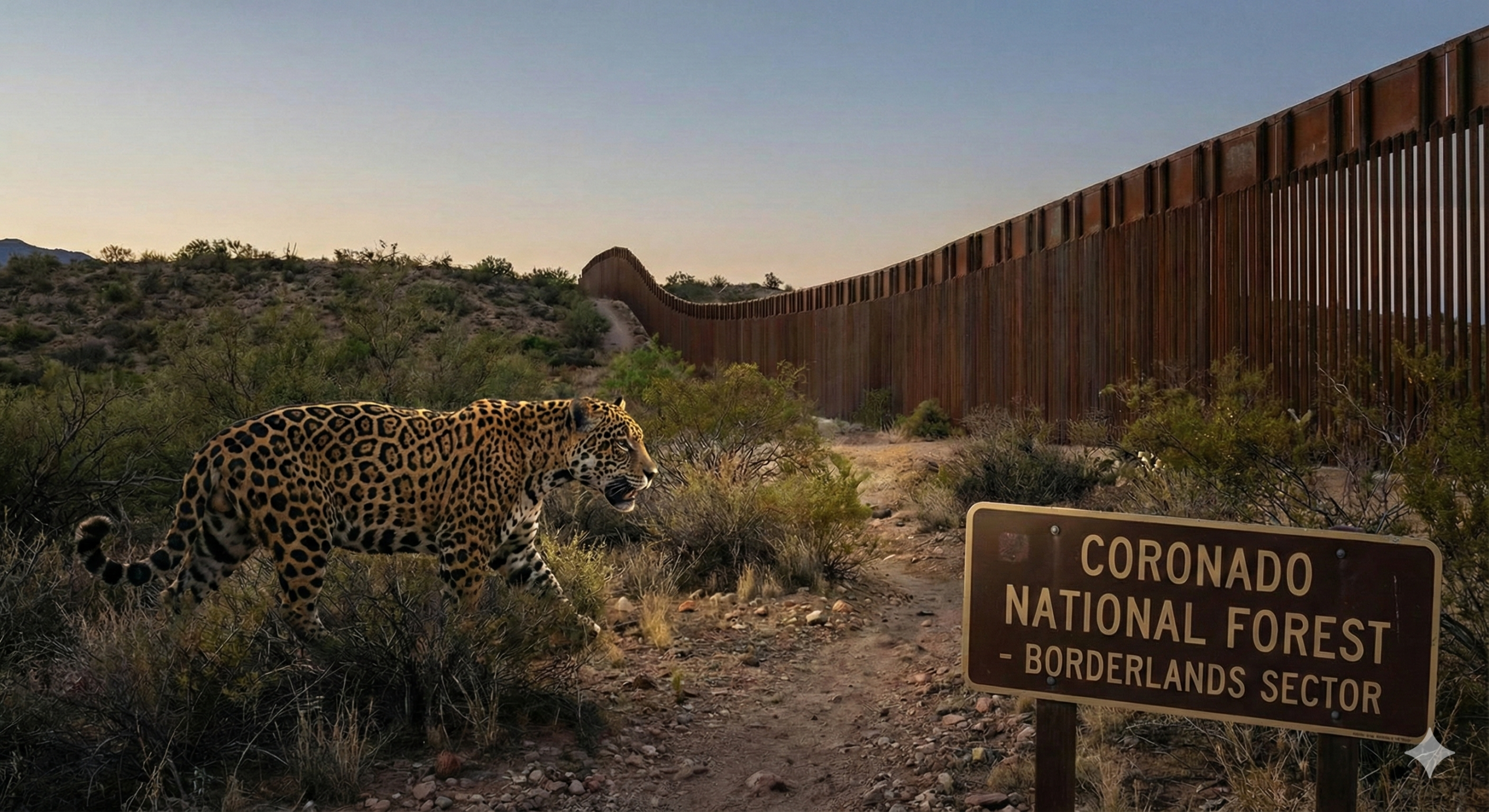
In a significant wildlife sighting, a jaguar has been spotted in Southern Arizona, drawing attention from conservationists and wildlife enthusiasts alike. This rare occurrence has sparked renewed discussions regarding the ongoing border wall construction and its potential impacts on local ecosystems.
The jaguar, a species native to Central and South America, has been increasingly sighted in the southern United States over the past few years. This particular sighting occurred near the San Pedro River, an area known for its biodiversity and crucial habitats. The presence of this elusive big cat highlights the importance of preserving natural corridors for wildlife.
Conservation groups have raised alarms about the implications of the border wall on wildlife movement. Experts argue that barriers like the wall could disrupt the natural migration patterns of species such as the jaguar, which requires vast territories for hunting and breeding. The jaguar’s habitat typically spans large areas, making it essential that these animals can roam freely to find food and mates.
The U.S.-Mexico border wall construction, part of a broader immigration enforcement strategy, has faced criticism for its environmental impact. Many conservationists worry that the wall could create a barrier not only for humans but also for wildlife, isolating populations and leading to genetic bottlenecks.
The sighting of the jaguar has prompted local environmental groups to call for a reevaluation of the border wall’s construction plans. They argue that federal authorities should prioritize wildlife conservation alongside national security measures. “The jaguar’s presence is a reminder that we share this land with other species,” said a representative from a local conservation organization. “We need to ensure that our policies reflect that responsibility.”
In response to these concerns, some lawmakers have proposed amendments to the border wall construction plans that would include measures to protect wildlife habitats. These proposals advocate for creating wildlife corridors and ensuring that any construction minimizes disruption to natural ecosystems.
The U.S. Fish and Wildlife Service has also been involved in discussions regarding the protection of endangered species, including the jaguar. Their studies indicate that maintaining connectivity between habitats is crucial for the survival of many species in the region.
The jaguar is classified as a near-threatened species, with its population declining due to habitat loss and poaching. The sighting in Arizona serves as a critical reminder of the need for effective conservation strategies that consider both human and animal needs.
In addition to concerns over the border wall, the jaguar’s presence in Arizona raises questions about habitat restoration and protection efforts in the region. Conservationists argue that preserving the integrity of local ecosystems is vital not only for the jaguar but also for numerous other species that share this habitat.
Wildlife corridors have been proposed as a potential solution to mitigate the effects of barriers like the border wall. These corridors would allow animals to cross safely between habitats, reducing the risk of inbreeding and promoting genetic diversity. “We need to think creatively about how to balance development and conservation,” said an environmental scientist specializing in wildlife corridors.
Moreover, community engagement plays a crucial role in conservation efforts. Local residents can contribute to wildlife protection by supporting initiatives aimed at preserving natural habitats and advocating for sustainable land-use practices. Educational programs can help raise awareness about the importance of coexisting with wildlife, particularly in areas near the border.
As discussions continue about the future of the border wall and its implications for wildlife, the jaguar sighting serves as a poignant symbol of the challenges faced by conservationists. The need for a balanced approach that considers both human needs and environmental protection has never been more urgent.
In summary, the jaguar sighting in Southern Arizona has reignited conversations about the intersection of wildlife conservation and border security. As stakeholders from various sectors weigh in on this issue, the fate of the jaguar and other wildlife in the region hangs in the balance. It remains to be seen how federal policies will evolve to address these critical concerns, but the call for a more thoughtful approach to development and conservation is clear.
The situation underscores the broader challenges of managing human expansion while ensuring the survival of vital ecosystems. As the debate continues, the jaguar serves as a powerful reminder of the natural world that exists alongside our borders, deserving of protection and respect.