Health Risks Linked to Iron Accumulation in Horses
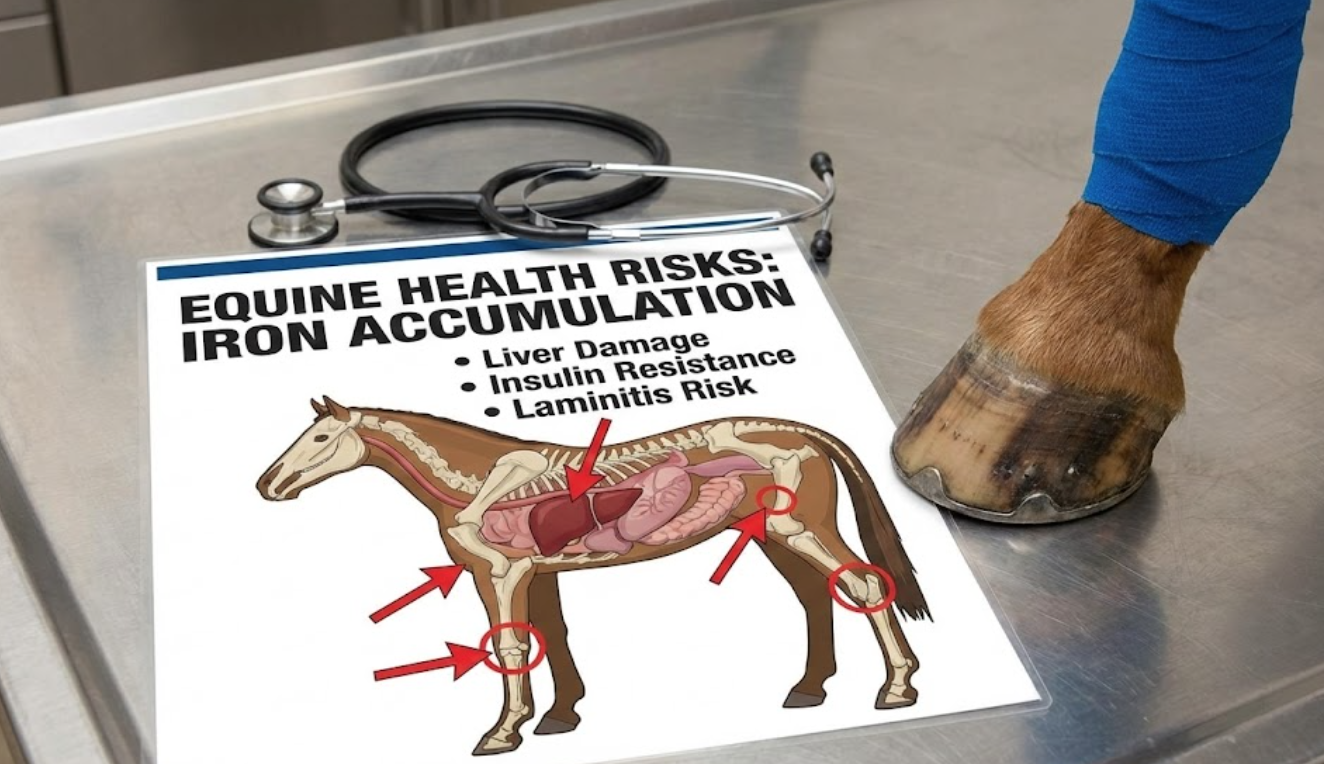
Recent studies have highlighted the significant health risks associated with excessive iron accumulation in horses. While iron is an essential nutrient for equine health, an overload can lead to serious health complications.
Iron plays a crucial role in various physiological processes, including the formation of hemoglobin, which is vital for oxygen transport in the blood. However, when horses consume more iron than they can excrete, it can accumulate in the liver and other organs, leading to a condition known as iron overload or hemochromatosis.
Understanding Iron Sources
Horses typically receive iron through their diet, which includes forage, grains, and supplements. The natural iron content in pasture and hay can vary significantly based on soil composition and environmental factors. In regions with high soil iron levels, the forage can contribute to increased iron intake.
Moreover, certain commercial feeds and supplements may contain added iron, often without sufficient regulation. This can inadvertently push a horse’s iron levels beyond safe limits. It is essential for horse owners and caretakers to be aware of the iron content in their horses’ diets.
Symptoms of Iron Overload
Recognizing the symptoms of iron overload can be challenging, as they may mimic other health issues. Common indicators include:
– Lethargy: Horses may show reduced energy and enthusiasm.
– Weight loss: Unexplained weight loss can occur, even with normal feeding.
– Poor coat condition: A dull or rough coat may indicate underlying health problems.
– Liver dysfunction: Elevated liver enzymes in blood tests can signal iron overload.
If horse owners observe these signs, it is crucial to consult a veterinarian for comprehensive testing and diagnosis.
Diagnosis and Testing
Veterinarians can diagnose iron overload through a combination of blood tests and liver biopsies. Blood tests measure serum iron levels, ferritin, and total iron-binding capacity, providing valuable information about a horse’s iron status.
In some cases, a liver biopsy may be necessary to evaluate the extent of iron accumulation. This procedure allows veterinarians to assess liver health and determine the best course of action for treatment.
Treatment Options
The treatment for iron overload primarily involves reducing iron intake and promoting its excretion. Strategies may include:
– Diet modification: Switching to low-iron forage and feeds can significantly help manage iron levels.
– Phlebotomy: In severe cases, veterinarians may recommend bloodletting to reduce excess iron in the bloodstream.
– Chelation therapy: This medical treatment involves administering drugs that bind to iron, facilitating its removal from the body.
Monitoring and adjusting a horse’s diet and health plan is critical to ensuring long-term wellness.
Prevention Strategies
Preventing iron overload is essential for maintaining a horse’s overall health. Here are some strategies for horse owners:
– Regular testing: Periodic blood tests can help monitor iron levels, especially for horses in high-iron environments.
– Diet assessment: Consult with an equine nutritionist to evaluate the iron content of feeds and forage.
– Soil testing: Conduct soil tests in pastures to identify iron levels and make informed decisions about land management and forage choices.
The Importance of Awareness
Awareness of iron accumulation and its risks is vital for all horse owners. Education on this subject can help prevent serious health issues and promote better management practices.
Veterinarians and equine nutritionists can play a pivotal role in educating horse owners about the importance of balanced nutrition. By understanding the sources and effects of iron in equine diets, owners can take proactive steps to safeguard their horses’ health.
Conclusion
Iron is a necessary mineral for horses, but like many nutrients, it can become problematic in excess. With increasing evidence linking iron overload to significant health risks, horse owners must remain vigilant about their horses’ dietary iron intake.
Through regular monitoring, dietary adjustments, and consultation with veterinary professionals, the risks associated with iron accumulation can be effectively managed. By prioritizing education and awareness, the equine community can work together to ensure healthier futures for all horses.