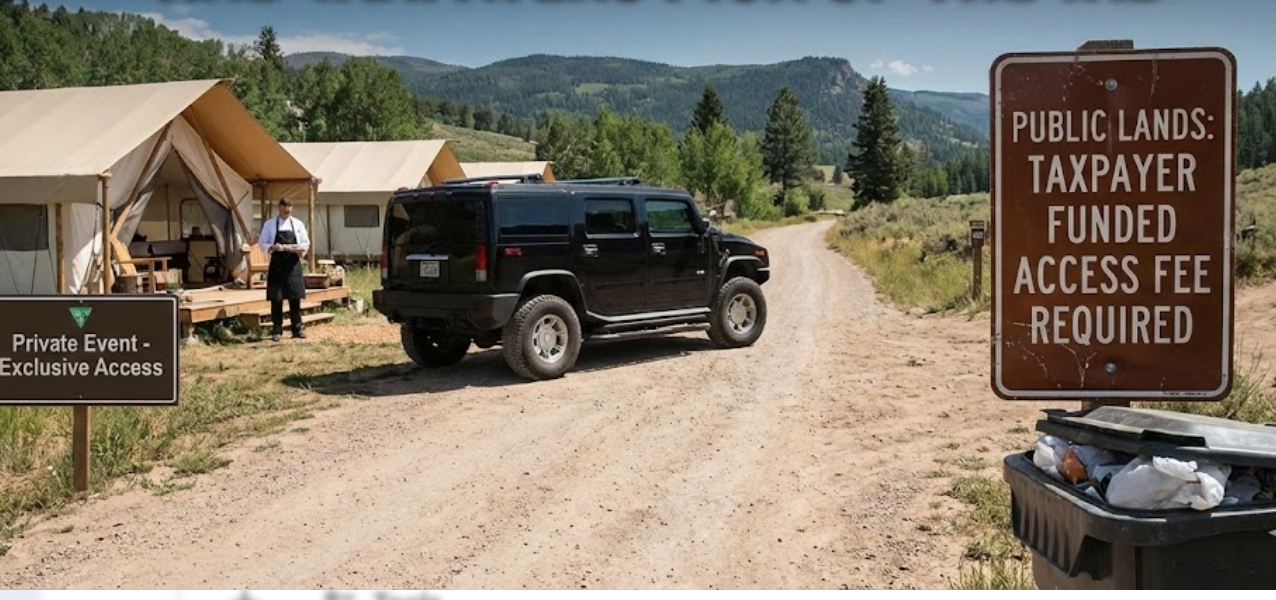
Wealthy Individuals Profit from Public Lands While Taxpayers Foot the Bill
In a recent examination of land use in the United States, it has come to light that wealthy individuals and corporations are reaping significant profits from public lands, while taxpayers are left to bear the financial burden. This situation raises serious questions about the management of these vital resources and the fairness of the current system.
Public lands, which are owned by the federal government, encompass a wide range of areas including national parks, forests, and other natural spaces. These lands are intended to be preserved for public use and enjoyment, but the reality is that they are often leased to private entities for various profit-driven activities.
One of the most contentious issues revolves around grazing rights. Large ranching operations often receive permits to graze livestock on public lands at a fraction of the market rate. These permits can lead to substantial profits for ranchers, while the costs of maintaining these lands fall on taxpayers. This has sparked ongoing debates about the fairness of the subsidy provided to wealthy ranchers.
Furthermore, public lands are not limited to grazing. Mineral extraction, including oil and gas drilling, is another lucrative venture that occurs on these lands. Large energy companies are granted leases to extract resources, which can result in significant profits. Critics argue that these companies often pay minimal fees compared to the revenue generated from the resources they extract. This disparity raises concerns about whether taxpayers are receiving a fair return on their investments in public lands.
The financial implications of these practices extend beyond just the immediate profits for private entities. When public lands are degraded due to overuse or poor management, taxpayers may face increased costs for restoration and environmental remediation. The long-term health of these lands is essential not only for preserving ecosystems but also for maintaining the recreational opportunities that millions of Americans enjoy.
Environmentalists and advocacy groups have voiced strong opposition to the current leasing practices. They argue that public lands should primarily serve the public interest and that the current system disproportionately benefits wealthy individuals and corporations. Many are calling for reforms that would ensure a more equitable distribution of resources and a greater emphasis on conservation.
In addition to economic concerns, there are pressing environmental issues at stake. Habitat destruction, pollution, and climate change are all exacerbated by unchecked industrial activities on public lands. The extraction of fossil fuels, in particular, poses significant risks to the environment, and many advocates stress the need for a shift toward sustainable practices.
A recent report highlighted that nearly 70% of public lands are managed for multiple uses, which can include recreation, conservation, and resource extraction. However, critics argue that the focus has increasingly shifted toward maximizing revenue from private enterprises, often at the expense of conservation efforts. This trend has led to calls for a re-evaluation of policies governing public lands to ensure that they reflect the values and needs of all citizens, not just the affluent few.
Bipartisan support for reform is emerging, as both sides of the political spectrum recognize the importance of public lands for future generations. Lawmakers are exploring ways to increase fees for leases and ensure that proceeds are reinvested in land conservation and restoration efforts. The potential for reform offers a glimmer of hope for those advocating for a more balanced approach to land management.
Public lands are a shared resource, and the current system has raised important ethical questions about who benefits from them. As the conversation continues, it is crucial for policymakers to consider the long-term implications of their decisions on public lands.
The call for transparency and accountability in land use policies has never been more urgent. Advocates argue that the public deserves to know how their tax dollars are being spent and who is profiting from the use of public lands.
In conclusion, the intersection of wealth, public lands, and taxpayer responsibility presents a complex challenge that requires thoughtful discussion and action. As the debate continues, it is vital for citizens to engage in the conversation about how public lands should be managed and who truly benefits from these invaluable resources.
Only through collective action and informed policy changes can we hope to ensure that public lands serve the greater good and are preserved for future generations. The stewardship of these lands is not just a matter of policy; it is a reflection of our values as a society and our commitment to equitable resource management.