5 Key Precautions at NFR Following Equine Herpesvirus Outbreak
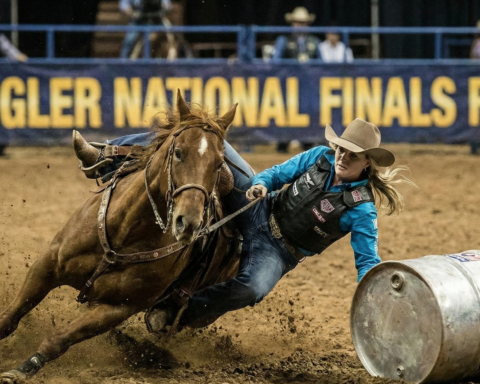
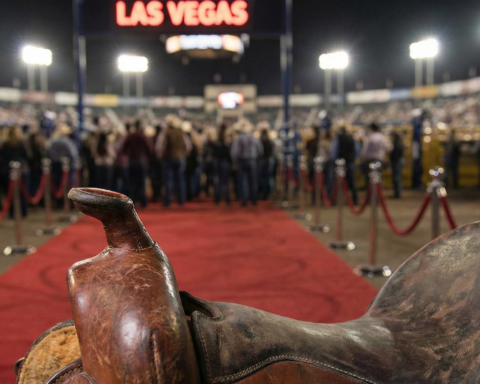
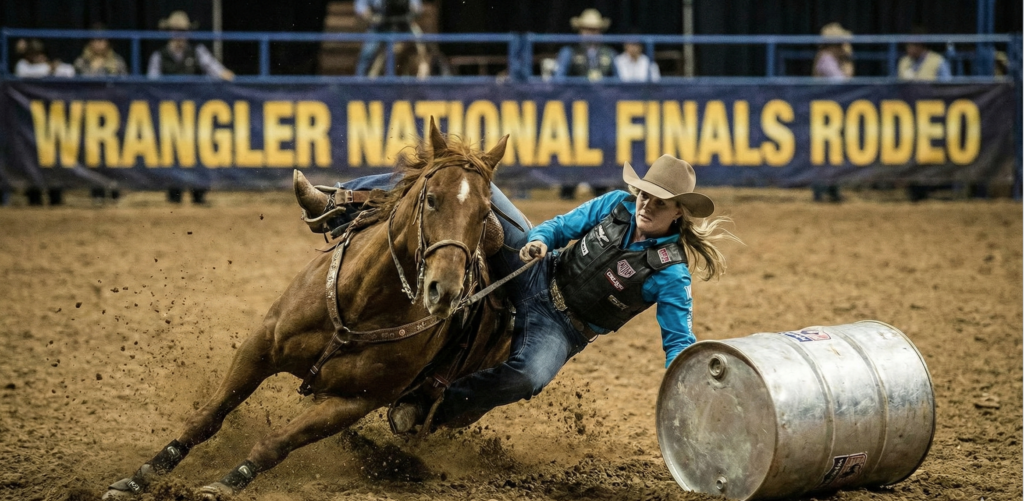
The National Finals Rodeo (NFR) is set to kick off in Las Vegas, but the excitement is tempered by recent health concerns. An outbreak of equine herpesvirus (EHV-1) has prompted organizers to implement precautionary measures to ensure the safety of all participants and their horses.
EHV-1 is a viral infection that can lead to severe neurological symptoms in horses. The virus can spread rapidly in environments where many horses are present, such as rodeos and competitions. With the NFR attracting thousands of competitors and spectators, the potential for transmission is a serious concern.
To address these issues, the NFR has outlined five key precautions that all participants should adhere to:
1. Vaccination Requirements
All horses entering the NFR grounds must be up to date on their vaccinations. This includes a specific focus on EHV-1 vaccinations. Organizers are urging owners to consult with veterinarians to ensure their horses are properly vaccinated before attending the event.
2. Health Certificates
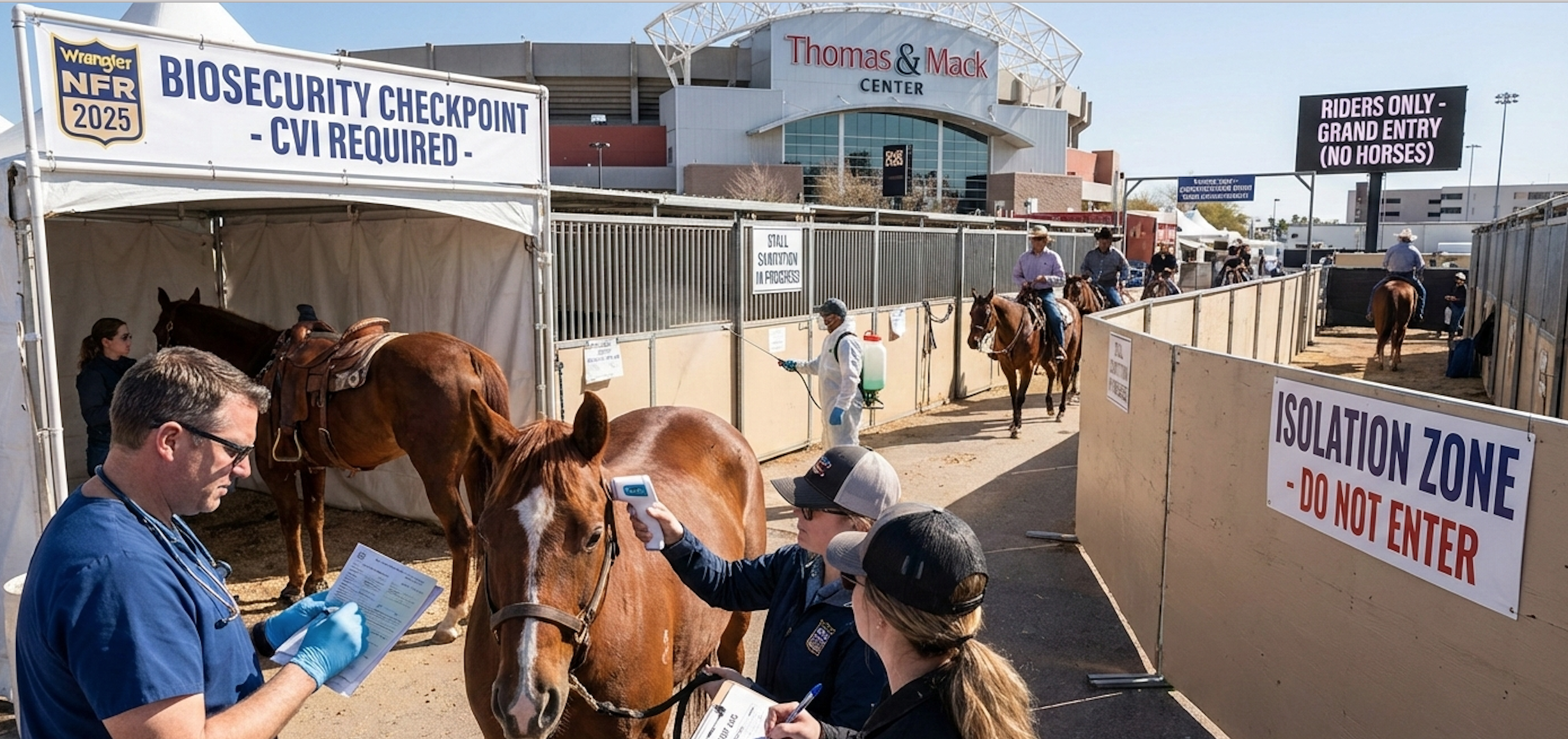
Competitors are required to present health certificates for their horses. These documents must confirm that the horses are free of EHV-1 and other infectious diseases. This measure aims to ensure that only healthy animals participate in the event, reducing the risk of spreading illness among the equine population.
3. Biosecurity Protocols
Strict biosecurity protocols will be enforced throughout the duration of the rodeo. This includes measures such as limiting access to stabling areas and encouraging regular hand washing. Participants are advised to avoid sharing equipment and supplies to minimize potential exposure to the virus.
4. Monitoring and Reporting
Organizers are implementing a monitoring system to quickly identify any signs of illness among horses. Participants are encouraged to report any unusual symptoms immediately. Quick reporting can help contain any potential outbreak and protect the health of all horses present.
5. Education and Awareness
Educational materials regarding EHV-1 and its prevention will be distributed to all participants. Riders, trainers, and owners will receive information about the signs of the virus and the best practices for maintaining equine health. Awareness is key in preventing the spread of this virus during such a large event.
The decision to implement these precautions comes after recent cases of EHV-1 were reported in various parts of the country. Rodeo officials are taking these steps seriously to safeguard the health of the horses and the people who care for them.
The NFR is a significant event in the rodeo calendar, attracting top talent from across the nation. With the implementation of these precautions, organizers aim to provide a safe environment for both horses and riders.
Community Response
The rodeo community has generally responded positively to these measures. Many participants understand the importance of protecting their animals and are willing to comply with the new requirements. Local veterinarians are also on hand to assist with vaccinations and health checks to ensure that all horses meet the necessary standards.
In addition to the physical health of the horses, the emotional well-being of participants is also a priority. The NFR is not only a competition but also a celebration of the rodeo culture. Organizers are working to maintain a festive atmosphere while prioritizing health and safety.
As the event approaches, the commitment to equine health and safety remains a top priority for NFR officials. The rodeo industry has faced challenges before, and the resilience of the community is evident in the proactive measures being taken.
With the NFR set to begin soon, participants are encouraged to stay informed and prepared. By following these five key precautions, everyone involved can help ensure a successful and safe event.
The health of horses is paramount, and with these guidelines in place, the NFR aims to keep the focus on the competition and the camaraderie that defines rodeo culture. As always, the bond between horse and rider is celebrated, and this year, that bond will be strengthened through collective responsibility and care.
For those planning to attend the NFR, staying updated on any changes to protocols and remaining vigilant about health practices will be essential. The rodeo community is strong, and together, they can navigate these challenges while celebrating their passion for the sport.
In conclusion, the National Finals Rodeo is more than just a competition; it is a gathering of a community dedicated to the love of horses and rodeo. By taking these necessary precautions, the NFR aims to protect that community while continuing to showcase the incredible talent of riders and their horses.