Lancaster County Horse Euthanized Due to Highly Contagious Disease in Pennsylvania
In a concerning development for equine health, a horse in Lancaster County, Pennsylvania, has been euthanized after contracting a highly contagious disease. This incident has raised alarms among local veterinarians and horse owners.
The disease in question is equine herpesvirus myeloencephalopathy (EHM), a neurological form of the equine herpesvirus. EHM poses significant risks to horse populations, particularly in areas where animals are in close proximity to one another.
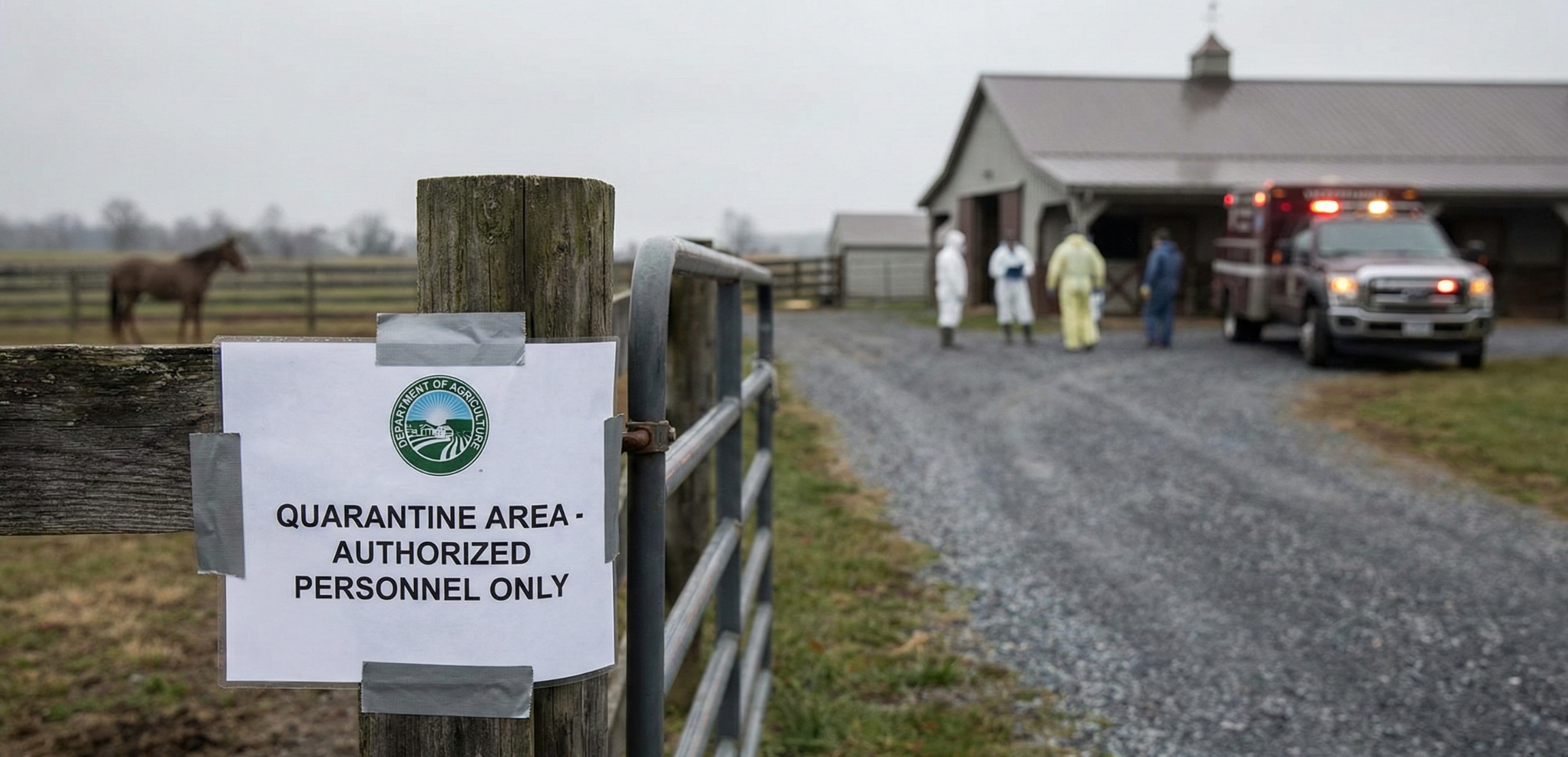
Officials from the Pennsylvania Department of Agriculture confirmed the case, indicating that the affected horse displayed symptoms consistent with EHM. These symptoms can include fever, lethargy, and neurological issues, such as incoordination and weakness.
The euthanization decision was made after the horse’s condition deteriorated rapidly. Veterinarians, following established protocols, recommended this course of action to prevent the spread of the virus to other horses in the vicinity.
Authorities are urging horse owners to be vigilant. Symptoms of EHM can manifest quickly, and early detection is crucial for containing outbreaks. Vaccination against equine herpesvirus is recommended as a preventive measure, although it does not provide complete immunity.
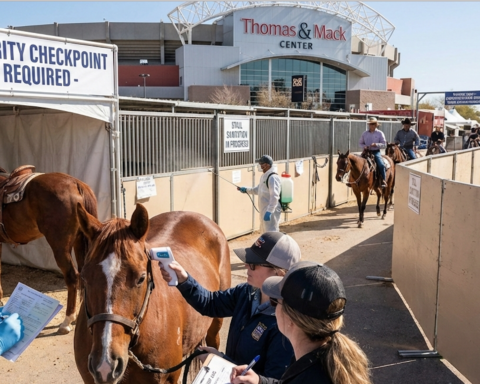
Veterinarians stress the importance of maintaining biosecurity practices. These include isolating new arrivals, limiting access to shared equipment, and monitoring horses for any signs of illness. These measures are vital in protecting the health of the broader equine community.
Local equestrian facilities and farms have been put on alert. In light of this incident, many have begun implementing stricter health protocols. Horse owners are encouraged to consult with their veterinarians regarding vaccinations and other preventive strategies.
The Lancaster County case is not isolated. EHM outbreaks have been reported in various states across the U.S., underscoring the need for heightened awareness and proactive measures among horse owners and caretakers.
Equine herpesvirus can spread through direct contact between horses, contaminated equipment, and even through the air in some cases. This makes it particularly challenging to control in environments where horses are kept together.
In addition to EHM, the broader implications of this outbreak extend to equestrian events and competitions. Many organizers are now reconsidering their health protocols to ensure the safety of all participating horses.
The Pennsylvania Department of Agriculture has been actively monitoring the situation and is prepared to respond to any further cases. They are collaborating with veterinarians and horse owners to disseminate information about the disease and its prevention.
In the meantime, horse owners in Lancaster County and beyond are encouraged to remain vigilant. Regular communication with veterinarians can help in identifying potential risks and responding effectively to any signs of illness in their animals.
The equestrian community has a history of rallying together during health crises, and this situation is no different. Through shared knowledge and proactive measures, horse owners can work to protect their animals from the threat of EHM and other infectious diseases.
As the situation develops, updates from health officials and local veterinary practices will be crucial for maintaining the health and safety of horses in Pennsylvania and surrounding areas.
In conclusion, the euthanization of the horse in Lancaster County serves as a stark reminder of the risks posed by equine herpesvirus myeloencephalopathy. It highlights the necessity for continuous education, vigilance, and adherence to biosecurity measures within the equine community.
Horse owners are encouraged to stay informed and take proactive steps to safeguard their animals. By doing so, they contribute to the overall health and well-being of horses across the region.