Arizona Wild Horse Diagnosed with Vesicular Stomatitis
In a recent development, a wild horse in Arizona has been diagnosed with vesicular stomatitis, a viral disease that affects horses, cattle, and other livestock. This diagnosis raises concerns among wildlife officials and horse owners in the area.
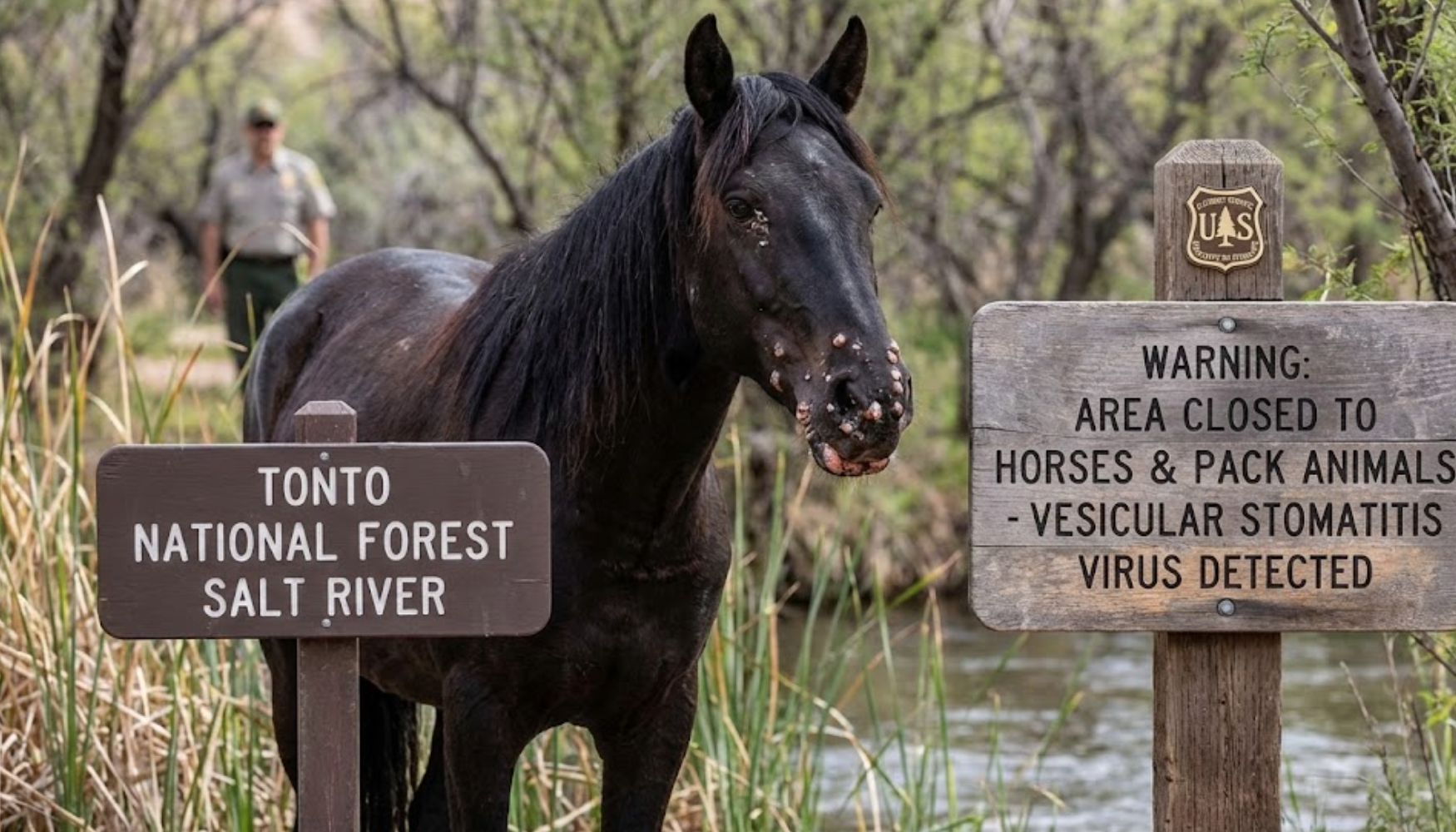
Vesicular stomatitis is known for causing painful sores in the mouth, as well as lesions on the tongue, lips, and nostrils. The disease can lead to difficulties in eating and drinking, posing serious health risks to affected animals. Additionally, it can spread rapidly among livestock, making management and containment crucial.
The wild horse, part of the **Salt River Wild Horse Management Area**, was observed displaying symptoms consistent with vesicular stomatitis. These symptoms prompted immediate veterinary attention, leading to the diagnosis. Wildlife officials are now closely monitoring the situation to prevent further spread of the disease among the wild horse population and other nearby livestock.
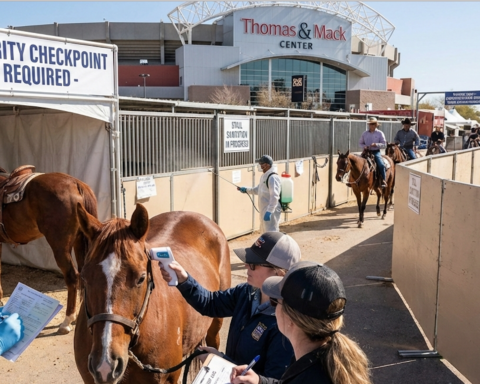
Preventive measures are being put in place to minimize the risk of transmission. These include increased surveillance of the wild horse herds and public awareness campaigns aimed at educating horse owners about the signs and symptoms of the disease.
The Arizona Department of Agriculture has issued a statement urging horse owners to remain vigilant. They recommend regular health checks for their animals and to report any signs of illness to local authorities. Early detection is critical in managing outbreaks of vesicular stomatitis.
Transmission of the disease occurs primarily through direct contact with infected animals or contaminated feed and water sources. While vesicular stomatitis is not typically fatal, it can significantly affect an animal’s health and productivity. In severe cases, it may require veterinary intervention, including supportive care and, in some instances, isolation from other animals to prevent further spread.
In the past, vesicular stomatitis has been noted to cause outbreaks in various regions across the United States, particularly in the western states. The disease often appears during warmer months, which can lead to increased interactions among animals at grazing sites.
In Arizona, the wild horse population has become a focal point for conservation efforts. The Salt River Wild Horse Management Area is home to approximately 400 wild horses, which are managed under the jurisdiction of the U.S. Forest Service. The horses are a popular attraction for both locals and tourists, drawing attention to the importance of preserving their habitat and health.
The recent diagnosis highlights the need for continued monitoring and research into the health of wild horse populations. Experts are emphasizing the importance of understanding how diseases like vesicular stomatitis can impact both wild and domestic animal populations.
Wildlife officials are also collaborating with veterinary specialists to assess the extent of the outbreak. They are collecting samples from affected animals to determine the strain of the virus and to track its spread within the population. This information will be crucial for developing effective management strategies moving forward.
Community involvement is also a critical component in managing this situation. Local horse owners are encouraged to participate in educational sessions about vesicular stomatitis and other equine health issues. These sessions aim to empower owners with knowledge and resources to protect their animals effectively.
As the situation develops, officials are urging anyone who observes unusual symptoms in their animals to seek veterinary care immediately. This proactive approach is essential in preventing potential outbreaks from escalating.
The health of wild horses is not only vital for the animals themselves but also for the ecosystem they inhabit. Wild horses play a significant role in maintaining the ecological balance in their environments, and their well-being is interconnected with the health of other wildlife and livestock in the area.
In conclusion, the diagnosis of vesicular stomatitis in an Arizona wild horse serves as a reminder of the fragility of animal health in the wild. Ongoing efforts to monitor and manage this situation are crucial for the welfare of both wild and domestic horse populations. The cooperation of local communities, wildlife officials, and veterinarians will be key in addressing this health concern effectively.
As this story unfolds, updates will be provided, focusing on the health of the wild horse population and the measures being taken to ensure their safety and the safety of other livestock in Arizona.