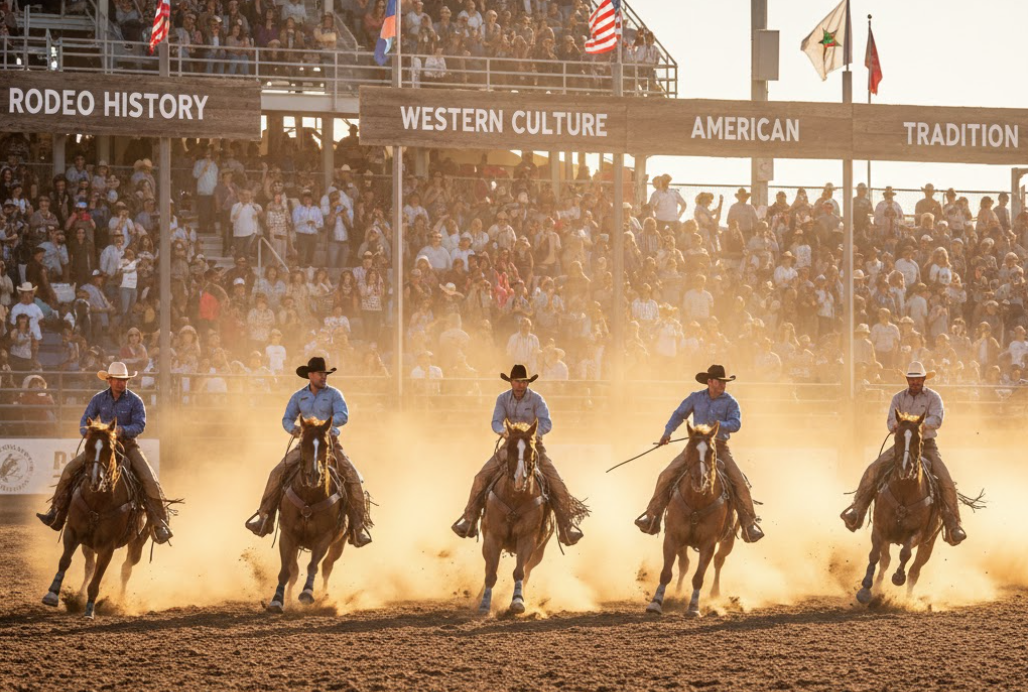
Rodeo is a vibrant sport deeply rooted in Western culture, showcasing the skills and traditions of cowboys and cowgirls. This comprehensive guide delves into the history, events, and cultural significance of rodeo, offering insights into why it remains a beloved pastime across the United States.
Historical Background
The origins of rodeo can be traced back to the late 19th century, evolving from the practical skills required for cattle ranching. After the American Civil War, cowboys began to compete in various skills that were essential for their livelihoods, such as roping and riding. These competitions were informal gatherings where cowboys would demonstrate their abilities.
By the 1920s, rodeo had transformed into a more structured sport, with organized events and competitions. The first formal rodeo is often credited to the Cheyenne Frontier Days in Wyoming, which started in 1897. This event set the tone for future rodeos, emphasizing both competition and entertainment.
Key Events in Rodeo
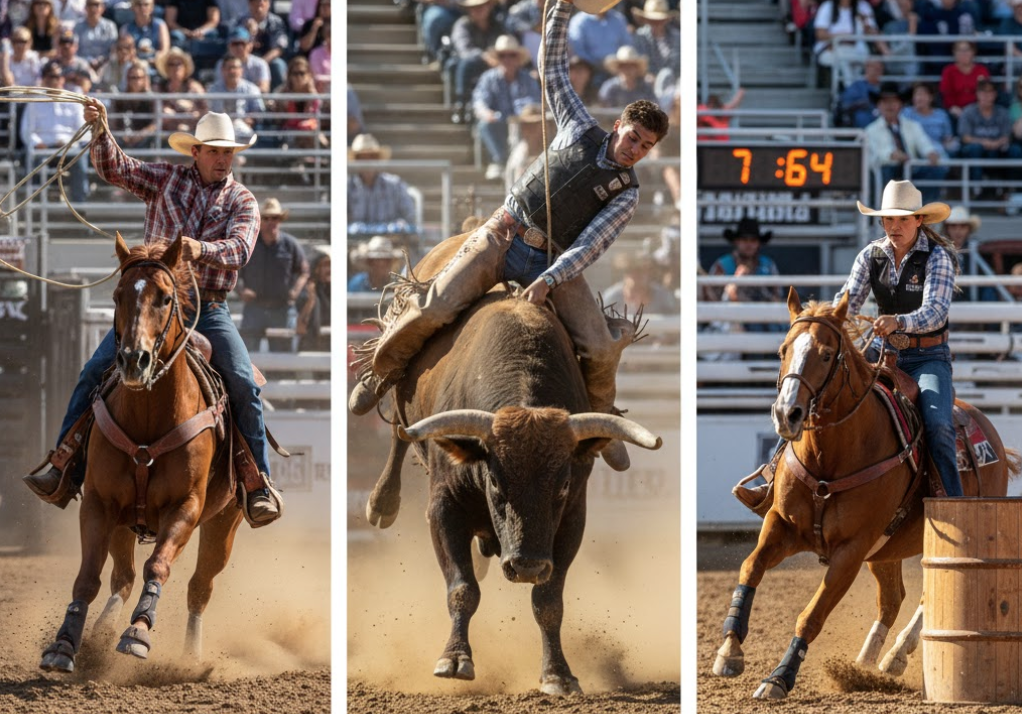
Rodeos feature a variety of events that test the skills of participants. Some of the most popular events include:
-Bull Riding: Often considered the most dangerous event, bull riding requires a rider to stay on a bucking bull for eight seconds. It showcases both bravery and skill.
– Bareback Riding: Similar to bull riding, this event involves riding a bucking horse without a saddle. Riders must hold onto a rigging strap and maintain balance.
– Steer Wrestling: In this event, a rider chases down a steer and attempts to flip it to the ground using their strength and technique.
– Team Roping: This event involves two riders working together to catch a steer. One rider ropes the steer’s head, while the other ropes its hind legs.
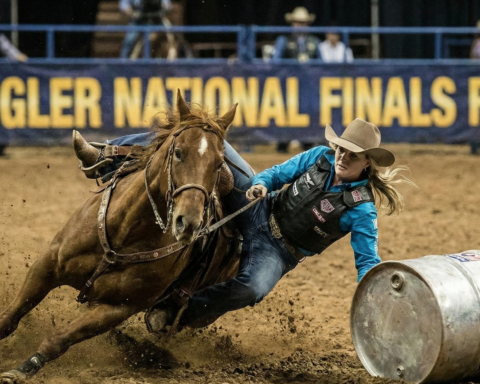
– Barrel Racing: Primarily a women’s event, barrel racing involves a horse and rider navigating a cloverleaf pattern around barrels. Speed and precision are key.
Rodeo Culture
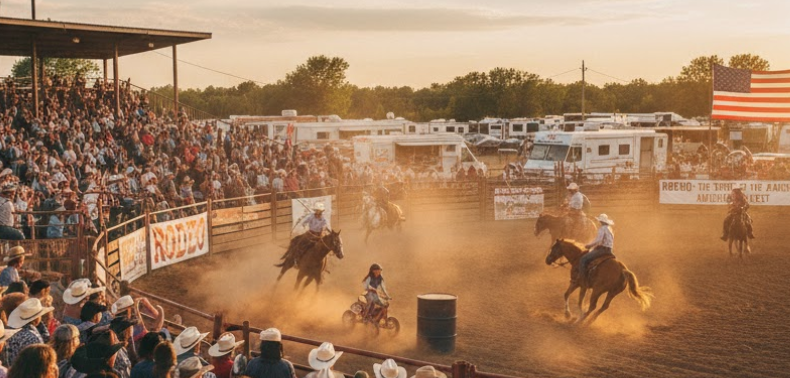
Rodeo is more than just a sport; it is a cultural phenomenon that embodies the spirit of the American West. It brings together communities and celebrates traditions that have been passed down through generations. The attire often seen at rodeos, such as cowboy hats, boots, and denim, reflects this rich heritage.
Moreover, rodeos often include activities beyond the competitions, such as live music, food vendors, and family-friendly entertainment. These elements contribute to the festive atmosphere that characterizes rodeo events.
The Role of Women in Rodeo
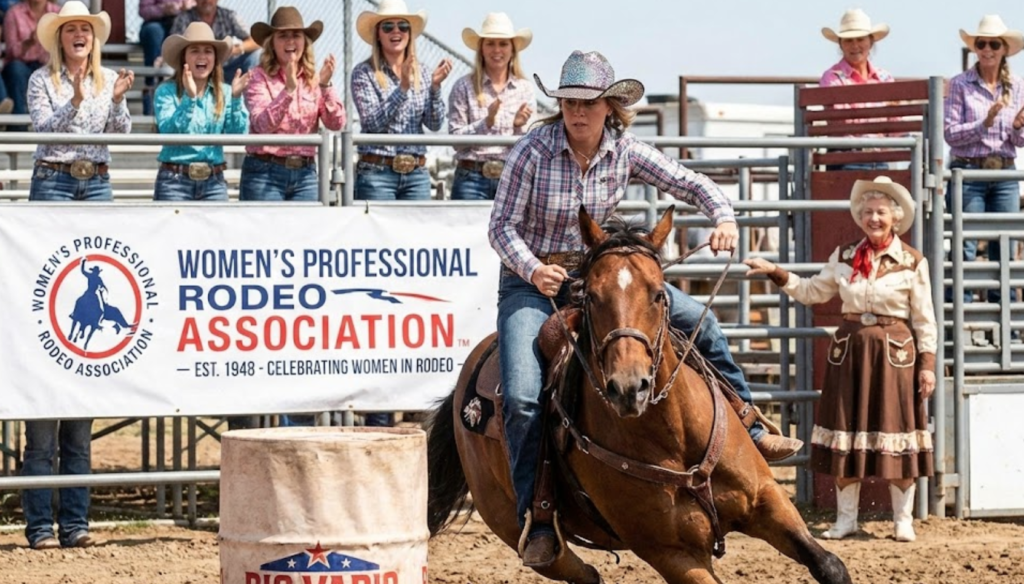
While rodeo has traditionally been male-dominated, women have played a significant role in its evolution. Events such as barrel racing have highlighted female athletes who have made their mark in the sport. The Women’s Professional Rodeo Association (WPRA), established in 1948, has been instrumental in promoting women in rodeo.
Today, female competitors participate in various events, challenging stereotypes and demonstrating that rodeo is an inclusive sport.
Rodeo’s Economic Impact
Rodeo events contribute significantly to local economies. They attract thousands of spectators, generating revenue through ticket sales, concessions, and tourism. Many small towns rely on rodeo events as a key part of their annual calendar, fostering community spirit and providing a platform for local businesses.
Challenges Facing Rodeo
Despite its popularity, rodeo faces several challenges. Animal welfare concerns have been raised regarding the treatment of livestock during events. Advocates for animal rights argue that some practices can be harmful, prompting organizations to implement stricter regulations to ensure the humane treatment of animals.
Additionally, the sport has had to adapt to changing cultural attitudes. As society evolves, rodeo organizers are finding ways to balance tradition with modern values, ensuring that the sport remains relevant to younger generations.
The Future of Rodeo
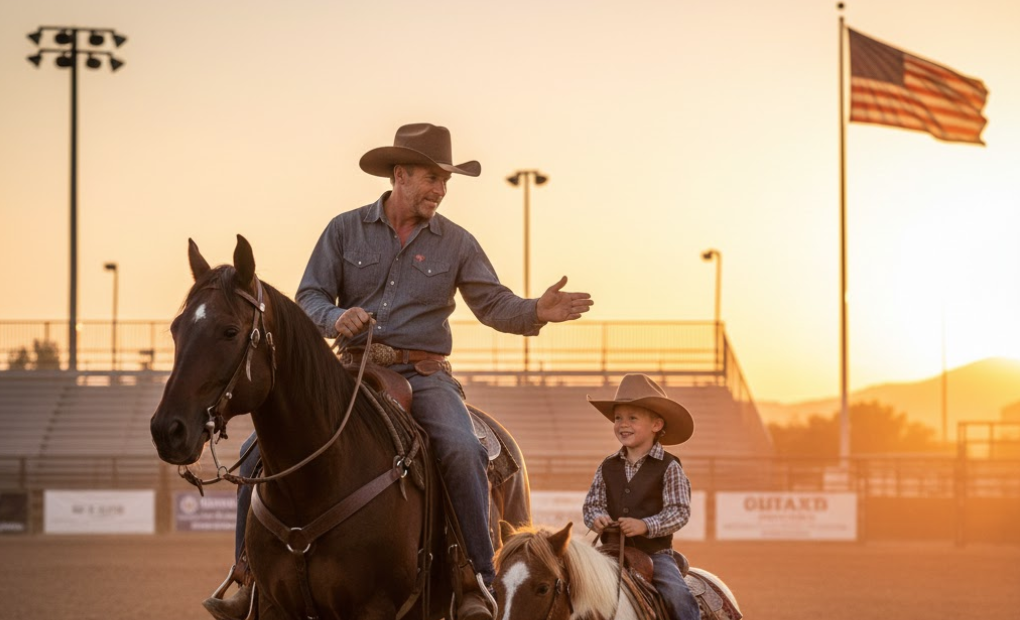
The future of rodeo appears promising, with a growing interest among youth. Organizations are working to engage younger participants through educational programs and youth rodeo events. These initiatives aim to instill a love for the sport and its traditions in the next generation.
Moreover, rodeo is increasingly gaining visibility through television broadcasts and social media, allowing fans to connect with the sport in new ways. This broader exposure could lead to increased participation and support for rodeo events.
Conclusion
Rodeo is a sport steeped in history and tradition, reflecting the rugged spirit of the American West. With its diverse events, cultural significance, and community impact, rodeo continues to thrive as a beloved pastime. As the sport evolves, it remains a testament to the skills, values, and heritage of those who participate in and support it. The future of rodeo looks bright, promising to captivate audiences and participants for generations to come.