Exploring the History, Temperament, and Purpose of Rodeo Bulls and Bucking Horses
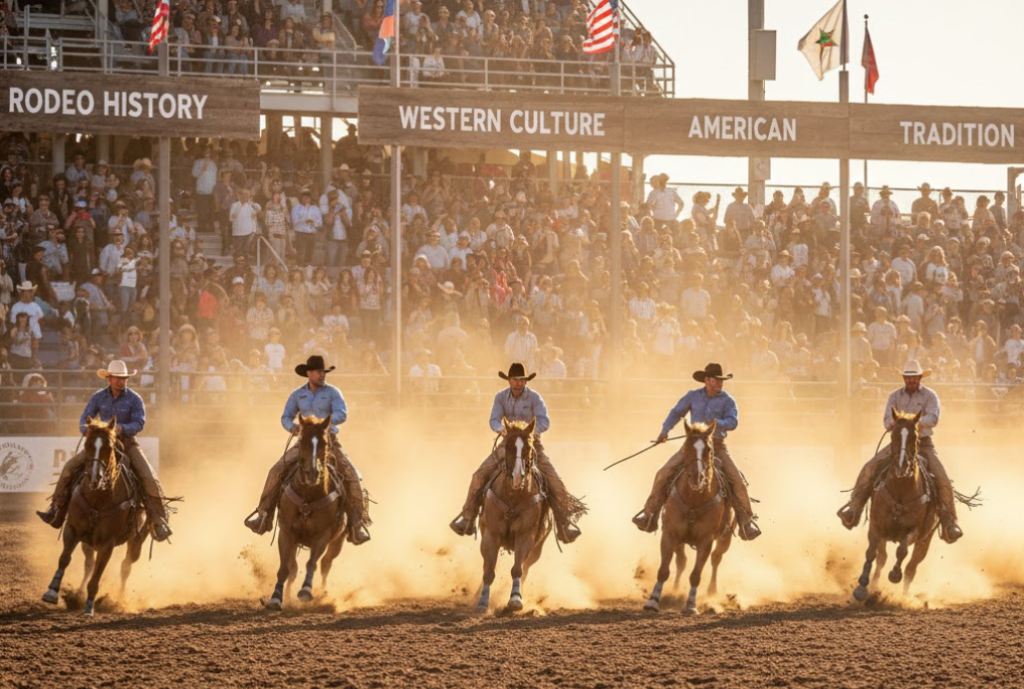
Rodeo is a quintessential part of Western culture, deeply intertwined with the traditions of ranching and cowboy life. At the heart of this thrilling sport are the rodeo bulls and bucking horses, animals bred and trained for their unique abilities to perform in rodeo events.
Historical Background
The origins of rodeo can be traced back to the late 19th century, when ranch hands in the American West began to showcase their skills. Bucking horses and bulls were integral to these competitions, which celebrated the cowboy’s ability to handle livestock. The first organized rodeos emerged in the 1900s, turning informal gatherings into formal competitions.
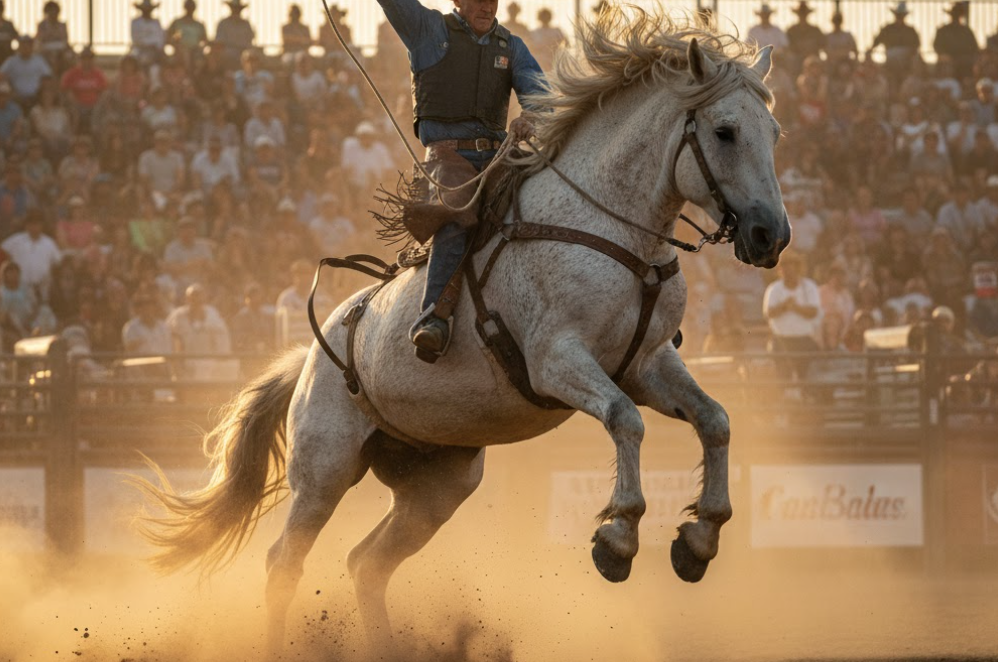
Bucking horses were initially used on ranches to help with cattle herding. Over time, they were selectively bred for their agility and strength. Notably, the American Quarter Horse and the Thoroughbred have played significant roles in developing the modern bucking horse.
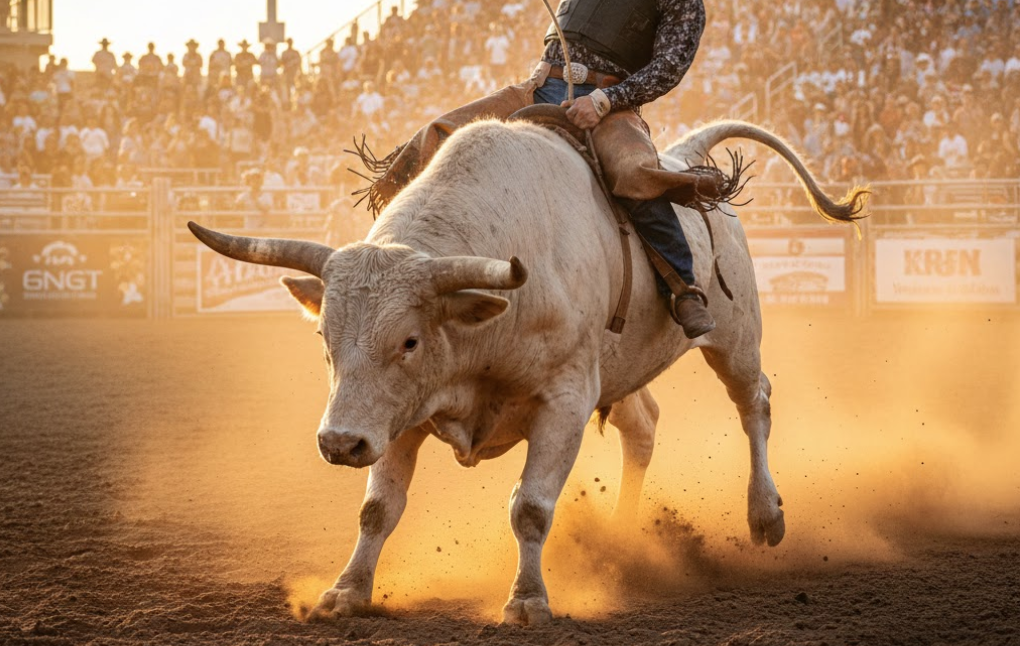
On the other hand, rodeo bulls were selected based on their temperament and physical prowess. Unlike traditional cattle, these bulls exhibit a unique combination of strength and agility, making them ideal for bucking events. The Brahman and Hereford breeds are often favored for their robust build and spirited nature.
Temperament and Training
The temperament of rodeo bulls and bucking horses is crucial for their performance. These animals are known for their spirited nature, which is essential for the excitement of rodeo events. However, they also require careful handling to ensure their safety and that of the riders.
Training begins at a young age, with handlers working to instill confidence and aggression. Positive reinforcement techniques are commonly used, allowing the animals to associate the rodeo environment with rewards. This training process not only prepares the animals for competition but also fosters a bond between them and their handlers.
Rodeo bulls are typically trained to perform specific movements, such as spinning or bucking. Handlers often use a bucking strap, which helps to encourage the bull’s natural instincts without causing harm. Bucking horses, on the other hand, are trained to kick and jump, showcasing their athleticism while maintaining control.
The Role of Rodeo Animals
Rodeo animals play a critical role in the sport, serving as the main attraction in events like bull riding and bronc riding. The bucking action of these animals creates a thrilling spectacle for audiences, drawing in crowds from across the nation.
In addition to entertainment, rodeo animals also contribute to the economy. The rodeo industry generates millions of dollars each year, providing jobs for trainers, handlers, and event organizers. The demand for high-quality bucking stock has led to the establishment of breeding programs dedicated to producing top-tier animals.
Moreover, rodeo events often feature special competitions for these animals, such as the PBR (Professional Bull Riders) and the PRCA (Professional Rodeo Cowboys Association) circuits. These organizations help to standardize competition rules and promote the welfare of rodeo livestock.
The Two Perspectives on Rodeo Welfare
The conversation around rodeo welfare generally splits into two distinct viewpoints: the industry perspective (focused on care and athletic performance) and the advocacy perspective (focused on stress and potential for injury).
1. The Industry Perspective: “Animal Athletes”
Rodeo organizations like the PRCA (Professional Rodeo Cowboys Association) view their livestock—bulls, broncs, calves, and steers—as elite athletes. Their argument for high welfare standards includes:
- Economic & Performance Value: A sick or injured animal cannot perform. Stock contractors have a massive financial incentive to keep their animals in peak physical condition.
- Strict Regulations: The PRCA has over 60 rules dedicated to animal safety, including requirements for on-site veterinarians at every sanctioned event.
- Equipment Safety: Modern equipment is designed to be humane. For example:
- Flank Straps: These are fleece-lined and designed to provide a “tickle” or pressure cue rather than pain. They are not wrapped around genitals (a common myth).
- Dull Spurs: Riders must use dull, rolling spurs that do not cut or scratch the animal’s hide.
- Preventative Care: Behind the scenes, these animals receive high-quality feed, regular vaccinations, and specialized transportation that includes rest stops.
2. The Advocacy Perspective: “Inherent Stress”
Animal rights groups (like PETA or the Animal Legal Defense Fund) argue that even with regulations, the nature of the sport is inherently stressful. Their concerns include:
- Induced Fear: They argue that “bucking” is a fear response to a perceived predator (the rider) and that the environment (loud noises, bright lights) causes significant distress.
- High-Risk Events: Events like calf roping and steer wrestling are frequently criticized because of the sudden physical impact on the animals’ necks and spines.
- Transportation Toll: Critics highlight the stress of long-distance hauling in trailers, which can lead to exhaustion and dehydration despite industry guidelines.
Modern Welfare Innovations
To address these concerns, many modern rodeos have implemented new “Welfare-First” practices:
- No-Jerk-Down Rules: In roping events, contestants are fined or disqualified if they flip a calf over backward or stop them too violently.
- Protective Gear: Steers in roping events now often wear “horn wraps” to protect their ears and head from rope burns.
- Immediate Care: If an injury occurs in the arena, a specialized “conveyance” (an animal ambulance) is used to move the animal safely and discreetly to a medical area.
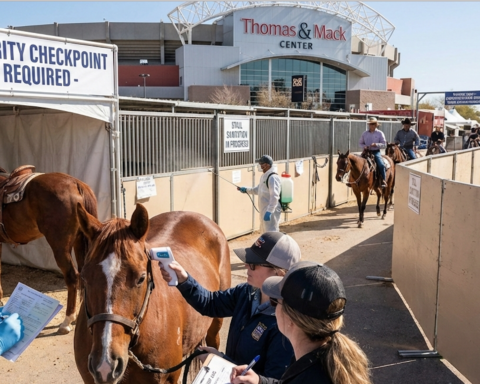
Veterinary care is also a critical component of rodeo animal management. Regular check-ups and immediate attention to injuries are vital for maintaining the health of these animals. Many rodeo events now include on-site veterinarians to monitor the well-being of the livestock throughout competitions.
The balance between entertainment and animal welfare remains a topic of discussion within the rodeo community. Supporters argue that with proper care and ethical practices, rodeo animals can thrive while contributing to this beloved Western tradition.
Summary Table: Welfare Facts vs. Myths
| Feature | The Myth | The Reality |
| Flank Straps | Cause pain to genitals. | Fleece-lined; sit on the flank to encourage high kicking. |
| Spurs | Used to cut or blooden the animal. | Must be dull/rounded; used for balance and timing. |
| Electric Prods | Used constantly to torture animals. | Strictly limited; used only in the chute for safety/movement. |
| Injuries | Are constant and expected. | Statistics show injury rates are extremely low (approx. 0.05%). |
The Heart of the Arena: Athletes, Icons, and Advocates
To expand on The Living History of the Bucking Stock, we can delve deeper into the transition from the accidental “outlaw” horses of the 1800s to the multi-million dollar “born-to-buck” dynasties of today.
The Living History of the Bucking Stock: From Outlaws to Icons
In the early days of the American frontier, bucking stock wasn’t bred; it was discovered. On the open range, “outlaws” were horses that simply refused to be broken for ranch work. They were the defiant ones—the horses with too much spirit to pull a plow or carry a saddle from sunup to sundown.
Ranch hands would gather to see who could stay aboard these “unrideable” broncs, turning a daily chore into a contest of skill. These animals weren’t viewed as tools, but as symbols of the untamed wilderness. When you see a horse buck today, you are seeing a behavior that once helped their ancestors survive predators on the Great Plains.
The Science of the “Born-to-Buck” Dynasty
Today, the random “outlaw” has been replaced by sophisticated genetic legacies. Modern stock contractors are the librarians of Western DNA, tracking lineages that span decades.
- The Genetic Map: Just as a Thoroughbred is bred for speed, a bucking horse or bull is bred for athleticism, kick, and “heart.” * The Matriarchs: Interestingly, much of the power comes from the “mare” or “cow” side. Great bucking sires are famous, but the mothers are the silent architects of the sport, passed down through generations for their temperament and physical explosion.
- Early Development: These animals aren’t “trained” to buck in the traditional sense; they are raised in wide-open pastures to develop natural bone density and muscle, allowing their innate instincts to flourish when they finally enter the arena.
A Living Museum of the West
Rodeo is one of the few places left where the “Wild West” isn’t a costume or a movie set—it is a physical reality. When a horse like Sankey’s Prairie Fire or a bull like Bodacious enters the chute, they are carrying the torch of an era that has otherwise disappeared.
- Preserving the Wild: By valuing the bucking instinct, rodeo culture has inadvertently preserved a specific type of rugged, high-energy horse and cattle breed that might have otherwise been bred out of existence in favor of docile farm animals.
- The Arena as a Stage: The dust, the scent of the hay, and the explosive power of a 2,000-pound bull are sensory links to the 1880s.
The Emotional Connection
For the families that raise these animals, the history is personal. Many stock contractors are 4th or 5th generation ranchers. To them, these animals aren’t just “stock”; they are the breathing history of their own families. When a legendary bucking horse retires, they are often turned back out to the same green pastures where they were born, living out their days as respected elders of the Western tradition.
Key Historical Figures to Mention:
Midnight: A legendary black gelding from the 1920s who became a national celebrity, proving that the animal could be just as famous as the cowboy.
Steamboat: Known as “The Horse That Couldn’t Be Ridden,” he is the silhouette on the Wyoming license plate and the grand ancestor of the rodeo spirit.
The “Animal Athlete” Mindset
The modern Western lifestyle has shifted from viewing livestock as tools to viewing them as partners. This “Animal Athlete” philosophy is the foundation of the bond between humans and animals in the sport:
- Psychological Well-being: A horse or bull that is stressed or mistreated will not perform at its peak. Stock contractors understand that a happy, healthy animal provides the most consistent and explosive “trip” in the arena.
- The Mutual Respect: Watch a cowboy after a ride; more often than not, there is a nod of respect toward the animal. This isn’t a contest of “man vs. beast” in a combative sense, but a dance of timing and strength between two athletes.
The Ethical Evolution: Tradition Meets Progress
As society’s understanding of animal sentience grows, so does the rodeo’s commitment to oversight. The future of the sport is being built on three pillars of transparency:
- Science-Based Standards: Moving beyond “tradition” to use veterinary science to dictate everything from trailer ventilation to the density of the arena dirt.
- Accountability: The implementation of rigorous, third-party welfare audits and the public reporting of injury rates (which currently sit at less than one percent in sanctioned events).
- Educational Outreach: Helping the public understand that “bucking” is a natural athletic instinct for these specific breeds, not a reaction to pain or irritation.
The Legacy of the Western Spirit
The future of rodeo looks bright because it is proving that preservation and progress can coexist. By prioritizing the welfare of the animals, the industry isn’t just following rules—it is honoring the very creatures that make the lifestyle possible. As long as the care of the animal remains as legendary as the ride itself, rodeo will continue to captivate audiences, teaching the next generation about the courage, grit, and compassion required to live alongside the spirit of the West.