Feedlots Reduce Feeder Cattle Purchases Amid Market Fluctuations
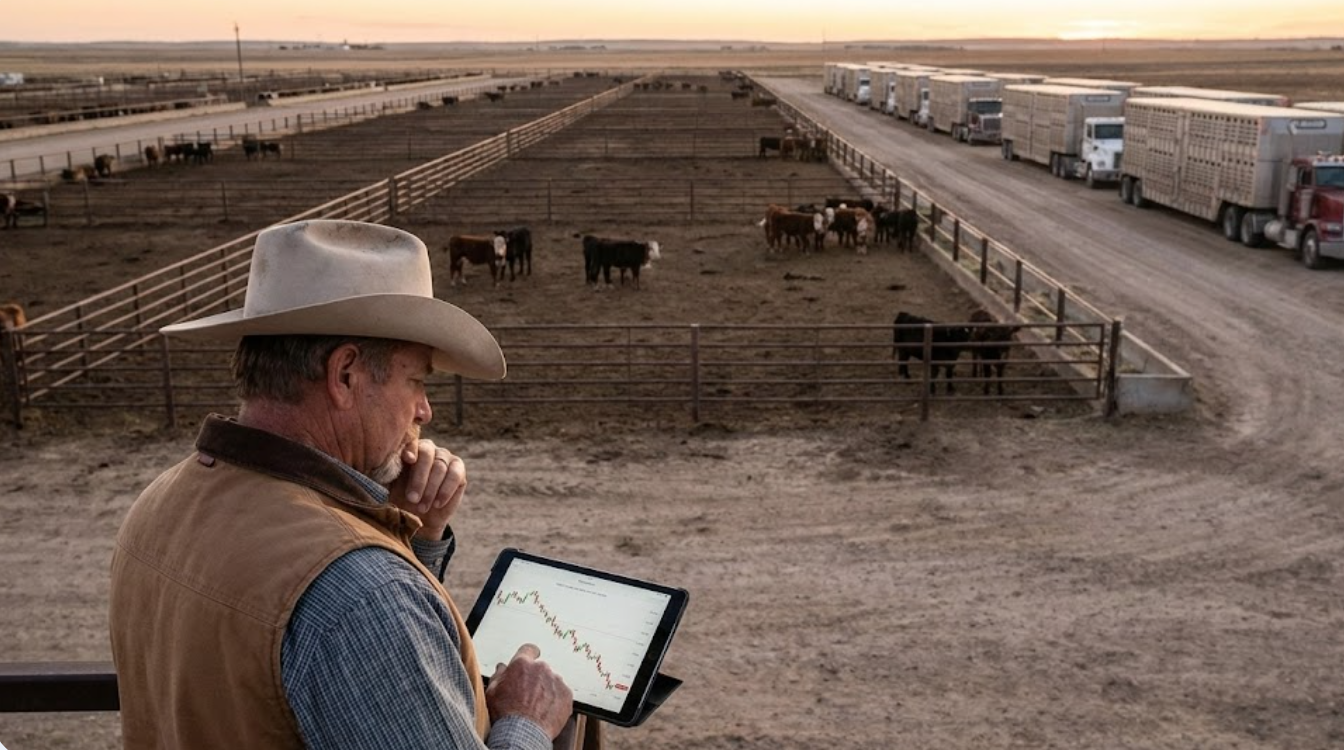
In a significant shift within the cattle industry, feedlots across the country are reducing their purchases of feeder cattle. This trend comes in response to a combination of market pressures, fluctuating prices, and changing demand dynamics.
Economic Factors at Play
The primary driver behind this reduction is the increasing cost of feed. As grain prices soar, feedlots are facing tighter profit margins. Many operators are re-evaluating their purchasing strategies, opting for fewer cattle to mitigate financial risk. The rise in feed costs has been attributed to various factors, including adverse weather conditions that have impacted crop yields, leading to a decrease in available feed resources.
Market Demand Shifts
In addition to rising feed prices, there has been a noticeable shift in consumer demand. The beef market has seen fluctuations, with consumer preferences evolving towards healthier and more sustainable options. This change has prompted feedlots to adjust their buying patterns, as they seek to align their operations with current market trends.
The demand for leaner beef cuts, which are perceived as healthier, has increased. Consequently, feedlots are focusing on acquiring cattle that can produce these cuts more effectively. This has led to a more cautious approach in purchasing feeder cattle, as feedlots aim to optimize their inventory to meet consumer preferences.
Impact on Cattle Prices
The reduction in feeder cattle purchases is expected to have a direct impact on cattle prices. With fewer animals entering the feedlots, there may be a tightening in the supply of finished cattle. This could result in higher prices for cattle in the long run, as feedlots may be forced to bid more aggressively for available stock. However, the timing of this price shift remains uncertain, as it will largely depend on how the market responds to these changes.
Regional Variations
The impact of reduced feeder cattle purchases is not uniform across the country. Different regions are experiencing varying effects based on local conditions and market dynamics. For instance, areas with abundant feed resources may not feel the pinch as acutely as regions struggling with high feed costs.
In the Midwest, where corn is a primary feed source, some feedlots are managing to maintain their purchasing levels, albeit with increased scrutiny. Conversely, in the Southwest, where drought conditions have severely impacted forage availability, feedlots are scaling back their operations more significantly.
Long-term Considerations
As feedlots navigate these challenges, industry experts are closely monitoring the situation. The long-term implications of reduced feeder cattle purchases could reshape the landscape of the cattle industry. Feedlot operators may need to adapt their business models to remain viable in an evolving market.
Some experts suggest that feedlots might need to explore alternative feeding strategies or diversify their operations to enhance resilience. This could involve investing in technologies that improve feed efficiency or exploring different livestock options that require less feed input.
Consumer Awareness and Industry Response
Consumer awareness regarding sustainability and animal welfare is driving changes in the industry. As consumers increasingly demand transparency in food sourcing, feedlots are responding by adopting more sustainable practices. This includes exploring grass-fed options and improving animal welfare standards.
The cattle industry is at a crossroads, with feedlots adjusting their strategies to meet both economic challenges and consumer preferences. As the market continues to evolve, the ability of feedlots to adapt will be crucial in determining their future success.
Conclusion
The decision by feedlots to reduce feeder cattle purchases reflects a complex interplay of economic factors, market demand, and regional variations. As the industry responds to these challenges, the long-term implications for cattle prices and operational strategies remain to be seen.
Feedlots will need to remain agile and responsive to changing market conditions, as consumer preferences continue to shape the future of beef production. The road ahead may be challenging, but it also presents opportunities for innovation and growth within the cattle industry.