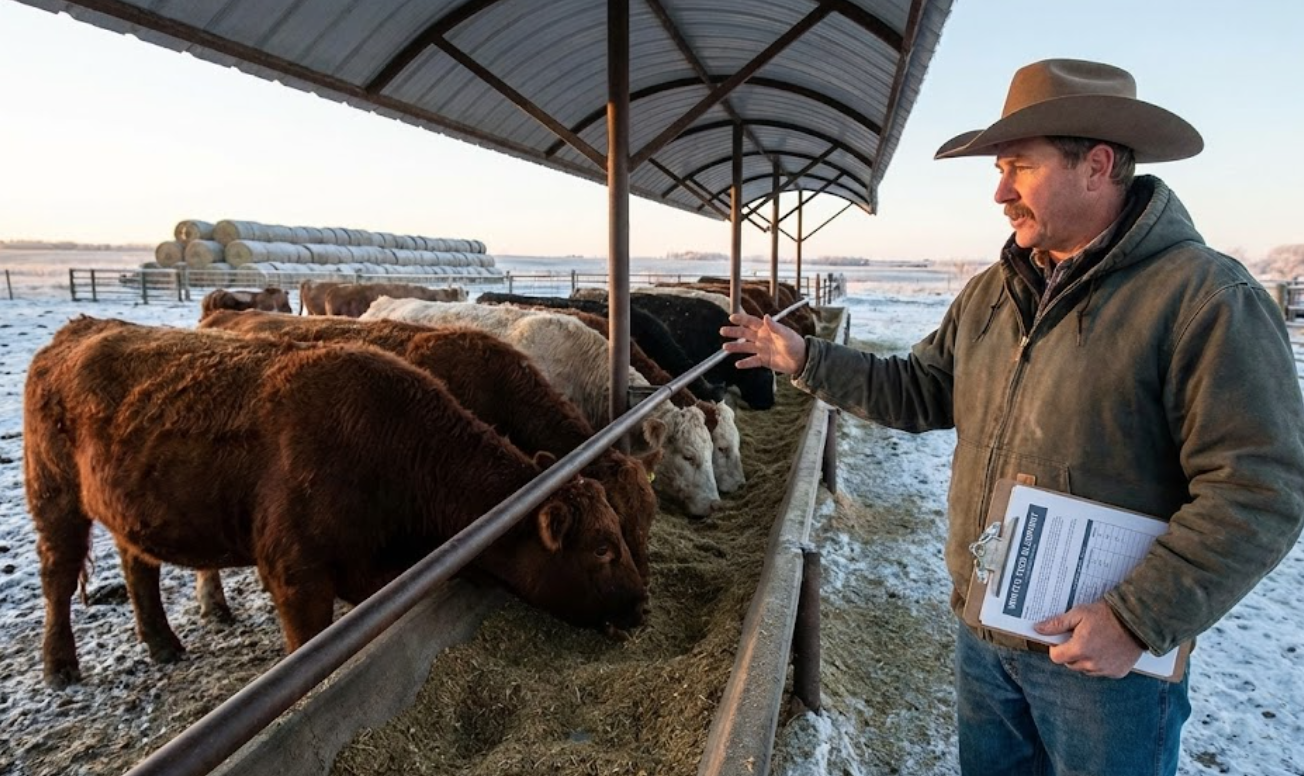
Six Essential Steps for Successful Winter Feeding
As winter approaches, livestock producers face the challenge of ensuring their animals receive adequate nutrition during the colder months. Proper winter feeding is crucial for maintaining animal health and productivity. Here are six essential steps to guide producers in successful winter feeding.
1. Assess Forage Supplies
Before winter sets in, it’s vital to evaluate the available forage supplies. Producers should conduct a thorough inventory of hay, silage, and pasture to determine how much feed is on hand. This assessment helps in planning the feeding strategy for the winter months.
2. Understand Nutritional Needs
Different livestock species have varying nutritional requirements. Cattle, for instance, require high-quality forage and additional energy sources during winter. It’s essential to understand the specific needs of each animal group, including age, weight, and production stage. Consulting with a nutritionist can provide valuable insights into formulating balanced rations.
3. Plan for Quality Feed
The quality of feed significantly impacts animal health and performance. Producers should aim for high-quality hay and silage that is free from mold and contaminants. Testing feed for nutrient content can help ensure that animals receive the necessary vitamins and minerals. If forage quality is lacking, consider supplementing with concentrates or commercial feeds.
4. Implement a Feeding Schedule
A well-structured feeding schedule can enhance efficiency and ensure that animals receive consistent nutrition. Establishing regular feeding times helps livestock adapt to a routine, which can reduce stress. Additionally, it is crucial to monitor consumption rates and adjust feeding amounts as necessary.
5. Provide Adequate Water Access
In winter, water access becomes increasingly important. Frozen water sources can lead to dehydration, which negatively affects animal health. Producers should ensure that livestock have access to clean, unfrozen water at all times. Heated water troughs or regular checks on water sources can help maintain adequate hydration levels.
6. Monitor Animal Condition
Regularly assessing the condition of livestock is essential during winter feeding. Producers should observe body condition scores to evaluate whether animals are receiving sufficient nutrition. Adjustments to the feeding program may be necessary based on these evaluations. Keeping an eye on weight gain and overall health can help identify issues before they escalate.
In conclusion, successful winter feeding requires careful planning and management. By assessing forage supplies, understanding nutritional needs, ensuring feed quality, implementing a feeding schedule, providing adequate water access, and monitoring animal condition, producers can help their livestock thrive through the winter months.