Uncovering the Truth About NFR Footing: What You Need to Know
As the National Finals Rodeo (NFR) approaches, discussions about the quality of the footing in the arena become increasingly relevant. Footing refers to the surface material that athletes, including both human competitors and animals, rely on for performance and safety.
In rodeo events, the right footing is crucial. It can significantly influence the outcome of performances, the health of the animals, and the safety of the riders. A well-maintained surface can provide the necessary traction for both horses and riders, while poor footing can lead to injuries and subpar performances.
The Importance of Footing
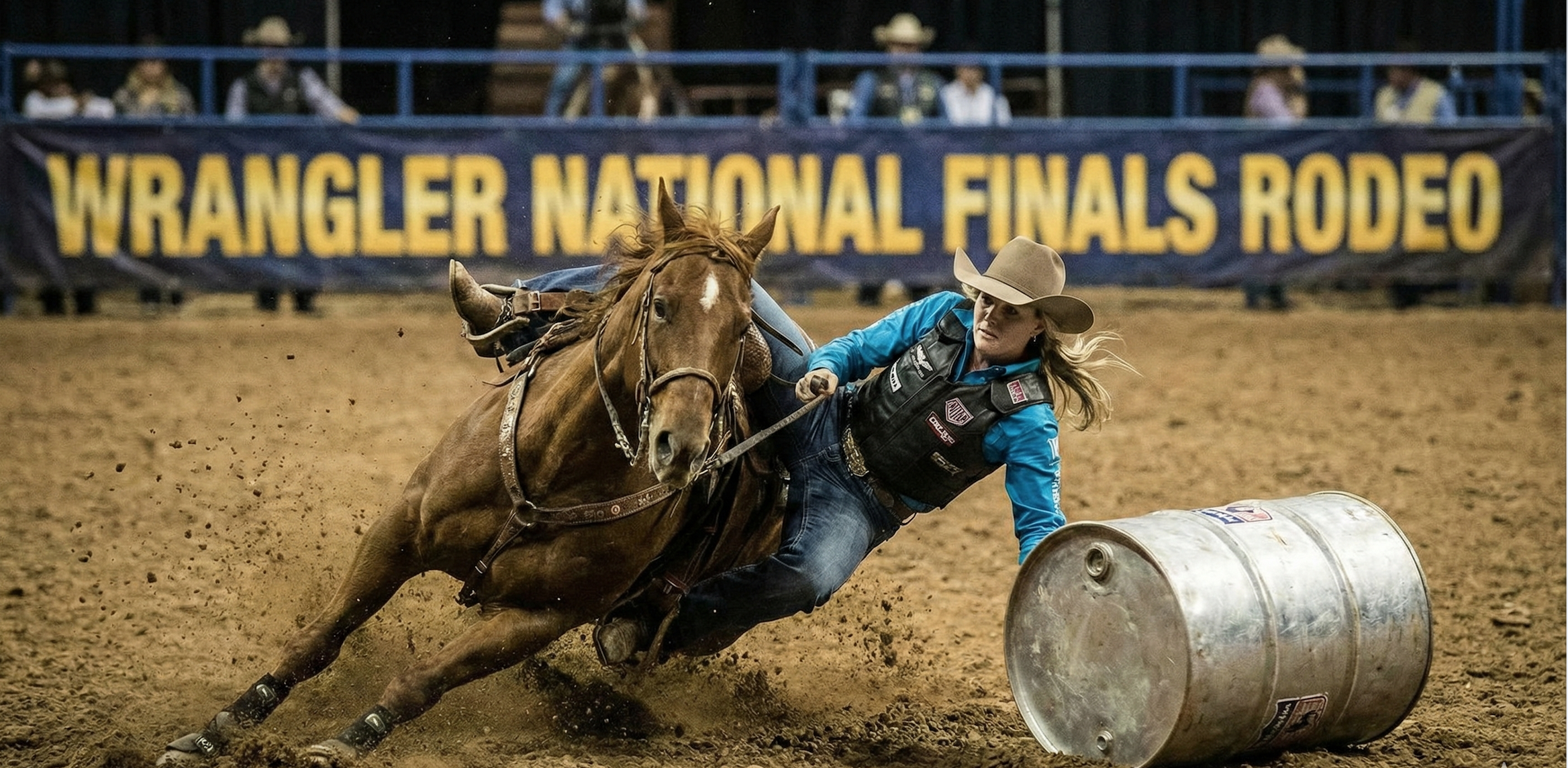
Footing consists of various materials, typically a combination of dirt, sand, and other additives that contribute to the surface’s stability and traction. The NFR has specific requirements for its footing to ensure that it meets the needs of the events held there. This includes barrel racing, bull riding, and roping, all of which demand different surface characteristics.
During the NFR, contestants put their skills to the test in a high-stakes environment. The importance of footing cannot be overstated, as it directly impacts performance. Competitors have reported that inconsistent footing can lead to unexpected slips or falls, affecting their ability to compete effectively.
Recent Developments
In recent years, there have been increased discussions among competitors, trainers, and fans regarding the condition of the NFR’s footing. Concerns have been raised about how the surface holds up over the course of the event. With multiple performances each night, the quality of the arena’s footing can deteriorate, affecting performance levels.
To address these concerns, organizers have taken steps to ensure that the footing is regularly maintained and adjusted. This includes monitoring the surface throughout the event and making necessary changes to keep it in optimal condition. Experts in arena management are often consulted to provide insights on how to maintain the best possible footing for the competitors.
The Role of Technology
Modern technology has also played a role in the management of arena footing. Advances in data collection and analysis allow for better understanding of how different materials perform under various conditions. This information can lead to more informed decisions regarding the composition and maintenance of the footing.
Additionally, some rodeo organizations have started to experiment with synthetic materials that promise to enhance safety and performance. These materials can provide better traction and reduce the risk of injury, making them an attractive option for organizers looking to improve the overall experience for competitors.
Safety Concerns
The safety of both competitors and animals is a top priority. Poor footing can lead to injuries that not only affect performance but can also have long-term consequences for the health of the animals involved. Injuries such as strains or fractures can sideline horses and riders alike, impacting their careers and livelihoods.
Competitors have voiced their concerns regarding the potential for injuries linked to inadequate footing. Many are advocating for ongoing assessments and improvements to ensure that the NFR maintains a high standard of safety for all participants.
Competitor Feedback
Feedback from competitors regarding the footing at the NFR is invaluable. Many riders and trainers have shared their experiences, highlighting the differences in footing quality from year to year. Some have praised improvements made in recent years, while others have called for further enhancements to ensure consistency.
This feedback loop is essential for organizers as they strive to create the best possible environment for competition. Engaging with athletes allows for a better understanding of their needs and concerns, leading to informed decisions about future footing management.
Looking Ahead
As the NFR continues to grow in popularity, the conversation around arena footing will likely evolve. With the rise of technology and a greater emphasis on safety, there is potential for significant improvements in how footing is managed.
Organizers are committed to ensuring that the NFR remains a premier event in the rodeo circuit, and that includes maintaining a high standard for footing. As competitors prepare for the upcoming season, they can take comfort in knowing that their safety and performance are top priorities.
In conclusion, understanding the complexities surrounding NFR footing is essential for anyone involved in the rodeo community. From competitors to fans, everyone has a stake in ensuring that the arena surface is safe and effective. With ongoing efforts to improve footing conditions, the NFR can continue to be a platform for showcasing the best in rodeo talent while prioritizing the well-being of its participants.